
Septic systems serve millions of homes worldwide, offering an effective wastewater treatment solution for properties without access to municipal sewage systems. However, homeowners often wonder about the safety of their systems, particularly regarding groundwater contamination. Bio septic tanks, while designed with environmental protection in mind, require proper understanding and maintenance to ensure they don’t pose risks to groundwater quality.
Understanding Bio Septic Tank Systems
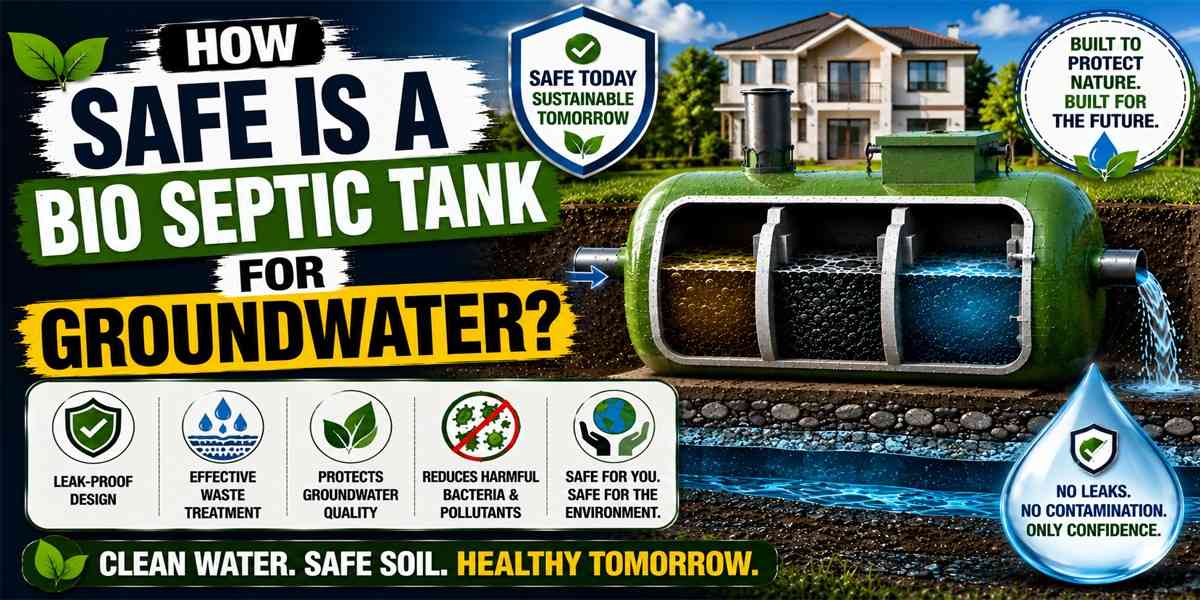
A bio septic tank is an advanced wastewater treatment system that combines traditional septic functions with biological processes to break down waste more efficiently. These systems use beneficial bacteria and microorganisms to decompose organic matter, creating cleaner effluent before it enters the soil absorption field (also called a drain field or leach field).
The system typically works in stages: wastewater enters the tank where solids settle and biological activity begins. The partially treated water then moves to a secondary chamber or drain field, where further biological treatment occurs as the water percolates through soil layers, naturally filtering out remaining contaminants.
The Safety Question: Are They Risk-Free?
The straightforward answer is that septic tank safety depends on multiple factors, including system design, installation quality, maintenance practices, and local soil and groundwater conditions. When properly installed and maintained, modern bio septic tanks present minimal risk to groundwater. However, neglect or poor practices can lead to contamination.
Research indicates that well-functioning septic systems rarely pose significant groundwater contamination risks when situated at appropriate distances from water wells and water bodies. The EPA recommends a minimum of 50 feet between a septic system and a drinking water well, though some states require greater distances.
Potential Contamination Sources
Bio septic pollution concerns typically stem from several sources:
System Failures: Cracked tanks, broken pipes, or failed drain fields allow untreated sewage to leach into groundwater. Signs include backed-up toilets, slow drains, or wet patches over the drain field.
Overloading: Excessive water use beyond the system’s capacity prevents adequate treatment time, allowing partially treated water to reach groundwater before biological processes complete.
Improper Maintenance: Lack of regular pumping allows solids to accumulate and eventually migrate to the drain field, clogging soil and reducing filtration effectiveness.
Proximity Issues: Systems installed too close to water wells, streams, or seasonal water tables increase contamination risk significantly.
Soil Composition: Sandy or highly permeable soils offer less natural filtration. In contrast, clay soils may lack adequate drainage, causing system backup.
How Bio Septic Systems Protect Groundwater
Modern bio septic technology incorporates several protective features:
Biological Treatment: The microbial breakdown process reduces harmful pathogens and organic pollutants before water reaches groundwater. Proper bacterial colonies can eliminate 90-99% of harmful organisms.
Multiple Filtration Stages: Advanced systems include sand filters, aerobic treatment units, or constructed wetlands that further purify effluent before soil discharge.
Soil Filtration: The soil itself acts as a natural filter, removing remaining particles, nutrients, and some pathogens through physical, chemical, and biological processes.
Residence Time: The system’s design creates sufficient time for treatment before water exits, allowing biological processes to complete.
Best Practices for Safe Operation
To maximize groundwater protection and ensure your bio septic system remains safe:
Schedule Regular Pumping: Have your tank pumped every 3-5 years, depending on household size and tank capacity. This prevents solid accumulation and system failure.
Conserve Water: Reduce strain on the system by fixing leaks, installing low-flow fixtures, and spacing laundry and shower use throughout the day.
Protect the Drain Field: Avoid parking vehicles, planting trees, or building structures over the drain field. Keep livestock away to prevent soil compaction.
Use System-Friendly Products: Avoid harsh chemicals, excessive bleach, or antibacterial soaps that kill beneficial bacteria. Never dispose of grease, cooking oils, or non-biodegradable items.
Monitor Performance: Watch for warning signs like slow drains, odors, or wet areas around the system. Address issues promptly to prevent failure.
Get Professional Inspections: Have your system inspected annually by a qualified septic professional who can identify potential problems before they become serious.
Know Your System: Understand your system type, maintenance schedule, and location. Keep records of pumping and repairs.
Regulatory Standards and Testing
Most jurisdictions require septic systems to meet specific standards for safety and efficiency. Some areas mandate regular inspections or effluent testing to monitor water quality. These regulations exist because groundwater protection is taken seriously—your septic system must meet minimum performance standards.
If you’re concerned about groundwater safety, consider having your well water tested periodically. Testing can reveal whether contamination has occurred, guiding necessary system improvements.
The Bottom Line
Bio septic tanks, when properly designed, installed, and maintained, are generally safe for groundwater. The technology has proven effective over decades of use. The key to safety lies not with the system itself, but with how property owners manage it.
Regular maintenance is your most important defense against contamination. By following best practices and staying vigilant about system health, you can confidently rely on your bio septic system while protecting your groundwater and surrounding environment.
If you suspect system problems or live in an area with potential groundwater concerns, consulting a septic professional ensures your system meets all requirements and safeguards this critical resource.
Leave a Reply