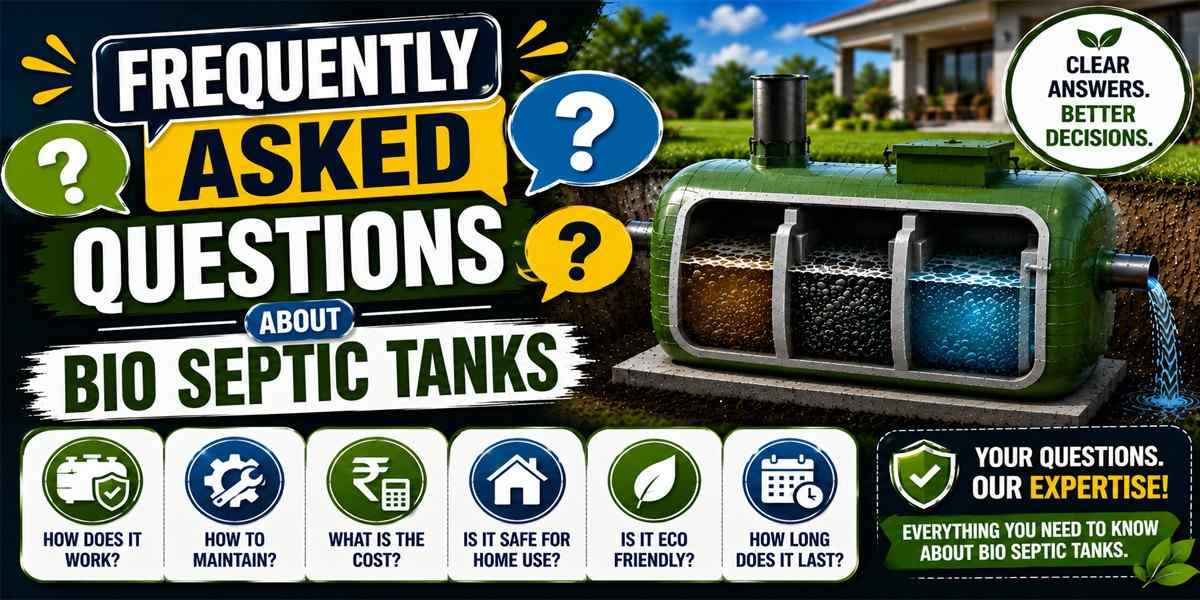
Homeowners with septic systems often have questions about operation, maintenance, and performance. Understanding common concerns helps property owners maintain their systems effectively and avoid costly mistakes. This guide addresses the most frequently asked questions about bio septic tanks, providing clear answers for both new and experienced users.
How Often Should I Have My Bio Septic Tank Pumped?
Regular pumping is essential for system longevity. Most experts recommend pumping every 3 to 5 years, depending on household size and tank capacity. A family of four generates approximately 400-600 gallons of wastewater daily. The accumulated sludge eventually reduces treatment capacity if not removed.
However, actual pumping frequency varies. Larger tanks serving small households may need pumping less frequently, while smaller tanks in high-use homes might require annual service. A qualified septic professional can assess your specific situation and recommend an appropriate schedule.
What Should I Never Put in a Septic Tank?
Understanding what harms your system prevents costly failures. Never dispose of:
Grease and Oils: These solidify in pipes and tank, causing clogs and system failure.
Non-Biodegradable Items: Paper towels, baby wipes, feminine hygiene products, dental floss, and cat litter don’t decompose and damage the system.
Harsh Chemicals: Drain cleaners, pesticides, paint, and solvents kill beneficial bacteria essential for treatment.
Excessive Antibacterial Products: While normal use is fine, excessive amounts destroy the bacterial colonies that break down waste.
Pharmaceuticals: Medications can harm beneficial microorganisms and contaminate groundwater.
Large Food Waste: Disposals overload the system with organic material, overwhelming bacterial processing capacity.
High-Volume Water Use: Running multiple loads of laundry simultaneously or very long showers can exceed system capacity.
The key principle: if you wouldn’t put it in a regular trash can, don’t flush it.
How Can I Tell If My Bio Septic Tank Is Failing?
Early warning signs allow for prompt repairs before complete system failure:
Slow Drains: Toilets, sinks, and showers drain slowly throughout the home, indicating system capacity problems.
Sewage Odors: Strong smells near the tank, drain field, or inside the home suggest system problems.
Soggy Drain Field: Wet patches, lush vegetation, or pooling water over the drain field indicate system overload or failure.
Sewage Backup: Toilets and drains backing up into the home is a critical emergency requiring immediate attention.
Bright Green Grass: Unusually vibrant grass over the drain field, while seemingly positive, indicates nutrient-rich effluent surfacing.
Soil Cracks: Visible cracks in soil over the system suggest settling or structural problems.
Don’t ignore these signs. Contact a licensed septic professional immediately for inspection and repairs.
What Is the Difference Between Bio Septic and Conventional Septic Systems?
Conventional Septic Systems: These use gravity and settling to separate solids from liquids. Bacteria naturally present in wastewater break down organic matter, but treatment efficiency is limited. Conventional systems typically produce moderate-quality effluent suitable for standard drain fields.
Bio Septic Systems: These incorporate engineered biological processes with multiple treatment chambers or aerobic treatment. Beneficial bacteria are actively managed to maximize decomposition. Some systems include air pumps promoting aerobic (oxygen-dependent) bacteria, which are more efficient decomposers. Bio septic tanks produce higher-quality effluent suitable for more restrictive soil conditions.
Bio septic systems cost more initially but provide superior treatment and often require smaller drain fields. They’re ideal for properties with challenging soil conditions or proximity to sensitive water resources.
Can I Use a Garbage Disposal with a Bio Septic Tank?
Most septic professionals advise against garbage disposals. These devices grind food waste into the system, overloading it with organic material. The bacteria can’t process excessive organic matter quickly, causing:
Accelerated Sludge Buildup: Requiring more frequent pumping.
System Overload: Excessive organic material overwhelms treatment capacity.
Drain Field Clogs: Oils and grease from food waste can clog soil pores.
Septic Failure: Chronic overload leads to system failure and expensive repairs.
If you have a disposal, use it minimally and avoid grinding large quantities. Composting food waste is a better option for septic system owners.
How Much Does Bio Septic Tank Installation Cost?
Installation costs vary significantly based on location, soil conditions, system type, and site accessibility. Typical costs range from $3,000 to $8,000 for a basic residential system, with advanced aerobic systems reaching $10,000 to $15,000 or more.
Factors affecting cost include:
System Type: Conventional systems cost less; aerobic systems cost more.
Site Conditions: Difficult terrain, poor soil, or shallow groundwater increases expenses.
Permitting and Inspections: Local requirements add variable costs.
Existing System Removal: Removing old systems increases labor costs.
Geographic Location: Rural areas often have different pricing than suburban locations.
Investment in proper installation prevents costly repairs. Cheap installation by unlicensed contractors often results in system failures requiring complete replacement.
How Long Do Bio Septic Tanks Last?
With proper maintenance, bio septic tanks typically last 25 to 40 years or longer. Some concrete tanks have operated for 50+ years. System longevity depends on:
Installation Quality: Professional installation ensures proper design and construction.
Maintenance Frequency: Regular pumping and inspections extend system life significantly.
Usage Patterns: Systems used beyond design capacity fail prematurely.
Soil Conditions: Proper drainage and appropriate setbacks preserve system integrity.
Environmental Factors: Freeze-thaw cycles and tree root intrusion affect durability.
Investing in quality installation and consistent maintenance maximizes your system’s lifespan and protects your property value.
Can I Build Over My Septic Tank or Drain Field?
No. Building structures over your septic system is dangerous and often illegal. Never park vehicles, construct buildings, plant large trees, or create permanent structures over tanks or drain fields.
These practices:
Cause Soil Compaction: Preventing drainage and system function.
Risk Structural Damage: Heavy weight can crack tanks or pipes.
Create Access Problems: Prevents necessary pumping and repairs.
Violate Building Codes: Most jurisdictions prohibit construction over systems.
Keep septic system areas clear and accessible. Knowing your system’s location prevents costly mistakes.
Should I Use Septic Tank Additives?
Most septic professionals recommend against additives. Healthy systems don’t need them. Beneficial bacteria naturally occur in human waste and establish colonies in tanks. Additives claiming to enhance bacterial action often provide unnecessary expense without proven benefit.
Moreover, some additives harm the system. Focus instead on proper maintenance: regular pumping, appropriate water use, and careful waste management. These practices maintain natural bacterial balance better than any additive.
Leave a Reply