
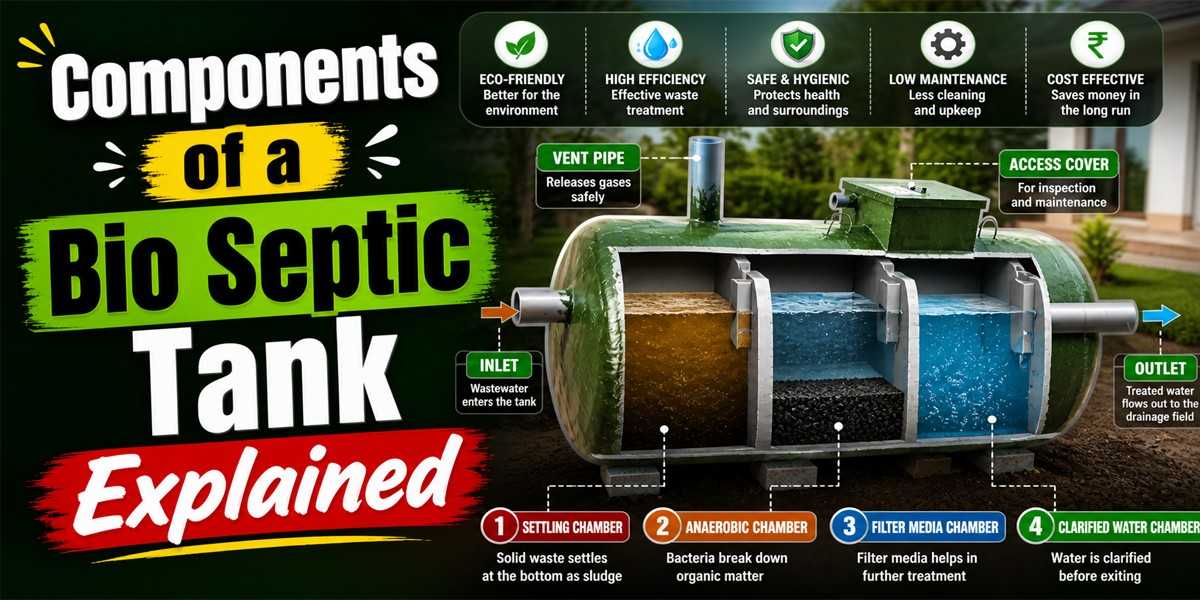
Understanding the inner workings of your home’s wastewater treatment system is essential for proper maintenance and optimal performance. Bio septic tanks represent a significant advancement in residential wastewater management, and knowing their components can help homeowners make informed decisions about installation, maintenance, and upgrades. If you want to know septic tank parts and how they work together, this comprehensive guide will walk you through every essential element.
Understanding Bio Septic Tank Components
A bio septic tank is a sophisticated system that combines multiple components working in harmony to treat household wastewater efficiently. Unlike traditional septic systems, bio septic tanks incorporate advanced biological treatment mechanisms that accelerate waste decomposition and produce cleaner effluent. Let’s explore each critical component that makes this system effective.
Primary Chamber: The First Line of Treatment
The primary chamber is the initial reception area where wastewater from your home first enters the bio septic tank. This component serves several crucial functions in the treatment process.
Inlet Baffle
The inlet baffle is one of the most important septic tank parts that directs incoming wastewater downward into the tank. This T-shaped or elbow-shaped component prevents turbulence that could disturb the settled solids and ensures smooth flow into the primary chamber. The baffle also prevents scum from backing up into the inlet pipe, which could cause blockages.
Settling Zone
Within the primary chamber, the settling zone allows heavier solid particles to sink to the bottom while lighter materials like oils and greases float to the top. This gravitational separation is fundamental to the treatment process, creating three distinct layers: scum, effluent, and sludge.
Anaerobic Bacteria Environment
The lower portion of the primary chamber houses anaerobic bacteria that begin breaking down organic matter in the absence of oxygen. While bio septic tanks enhance this process, this initial anaerobic stage remains an essential part of waste decomposition.
Biofilm Media: The Heart of Biological Treatment
One of the distinctive bio septic tank components is the biofilm media or bacterial culture support system. This element sets bio septic tanks apart from conventional systems.
Fixed Film Reactor
The biofilm media consists of specially designed materials—often plastic or ceramic—that provide maximum surface area for beneficial bacteria to colonize. These bacteria form a living film that actively consumes organic waste, converting it into harmless byproducts. The increased surface area dramatically accelerates the biological treatment process compared to traditional tanks.
Aerobic Treatment Zone
Many modern bio septic systems incorporate an aerobic treatment zone where oxygen-loving bacteria thrive. This zone typically contains the biofilm media and may include aeration equipment to maintain optimal oxygen levels for bacterial activity.
Aeration System: Oxygen Supply for Enhanced Treatment
Advanced bio septic tank components often include an aeration system that supplies oxygen to support aerobic bacterial growth.
Air Pump or Blower
The air pump is a mechanical component that continuously or intermittently delivers oxygen into the treatment chamber. This steady oxygen supply creates conditions favorable for aerobic bacteria, which decompose waste more efficiently and thoroughly than anaerobic bacteria alone.
Diffusers
Air diffusers distribute oxygen evenly throughout the treatment zone, ensuring uniform bacterial activity. These small devices break air into fine bubbles that maximize oxygen transfer to the wastewater and beneficial bacteria.
Secondary Chamber: Final Clarification
The secondary chamber is another vital component where additional settling and treatment occur before effluent exits the system.
Partition Wall
A partition wall or baffle separates the primary and secondary chambers, allowing only partially treated effluent to pass through while retaining solids in the primary chamber. This wall features an opening positioned at a specific depth to ensure only the clearest middle layer of liquid transfers to the next stage.
Final Settling Area
The secondary chamber provides a calm environment where any remaining suspended particles can settle out before the effluent leaves the tank. This final clarification step ensures the cleanest possible output.
Outlet Components: Controlled Discharge
Understanding the outlet septic tank parts helps ensure proper system function and environmental protection.
Outlet Baffle
Similar to the inlet baffle, the outlet baffle prevents scum and solids from leaving the tank. This T-shaped component draws effluent from the middle zone where the cleanest water resides, protecting the drain field from clogging.
Effluent Filter
Many bio septic systems include an effluent filter as an additional safeguard. This removable filter captures any remaining particles before water exits to the drain field, significantly extending the life of your leach field system.
Access Ports and Risers
Proper maintenance requires easy access to bio septic tank components, making access ports essential elements.
Inspection Ports
Inspection ports allow homeowners and service technicians to check water levels, measure sludge depth, and verify proper system operation without extensive excavation.
Pump-Out Risers
These vertical extensions bring tank access points to ground level, simplifying routine maintenance and reducing service costs. Risers eliminate the need to dig down to the tank lid for pumping and inspection.
Control Panel and Monitoring System
Modern bio septic tanks often include electronic controls that monitor and regulate system performance.
Alarm System
An alarm alerts homeowners to potential problems such as high water levels, pump failures, or aeration system malfunctions. Early warning allows for prompt repairs before minor issues become major problems.
Timer Controls
Timer controls regulate aeration cycles and pump operation, optimizing energy efficiency while maintaining effective treatment.
Conclusion: The Complete System
Understanding bio septic tank components empowers homeowners to maintain their systems effectively and recognize when professional service is needed. Each septic tank part plays a specific role in the comprehensive treatment process, from initial solid separation through biological decomposition to final effluent discharge.
Whether you’re considering installing a bio septic system or want to better understand your existing tank, knowing how these components work together helps you appreciate the sophisticated engineering behind modern wastewater treatment. Regular inspection of these key parts ensures long-term system reliability and environmental protection.
By familiarizing yourself with these essential components, you’ll be better equipped to maintain your system, communicate with service professionals, and make informed decisions about upgrades or repairs that keep your bio septic tank operating at peak efficiency for years to come.
Leave a Reply