
When it comes to waste management solutions for commercial properties, many business owners overlook one of the most reliable and cost-effective options available: bio septic commercial use. Whether you’re running a restaurant, office complex, retail establishment, or hospitality venue, understanding how modern septic systems work is crucial for maintaining operational efficiency and environmental compliance.
What Is a Bio Septic System?
A bio septic tank is a self-contained wastewater treatment system that uses natural biological processes to break down and filter waste. Unlike public sewage systems, bio septic tanks treat waste on-site, making them an ideal solution for commercial properties located in areas without municipal sewer connections or for businesses seeking greater independence in their waste management.
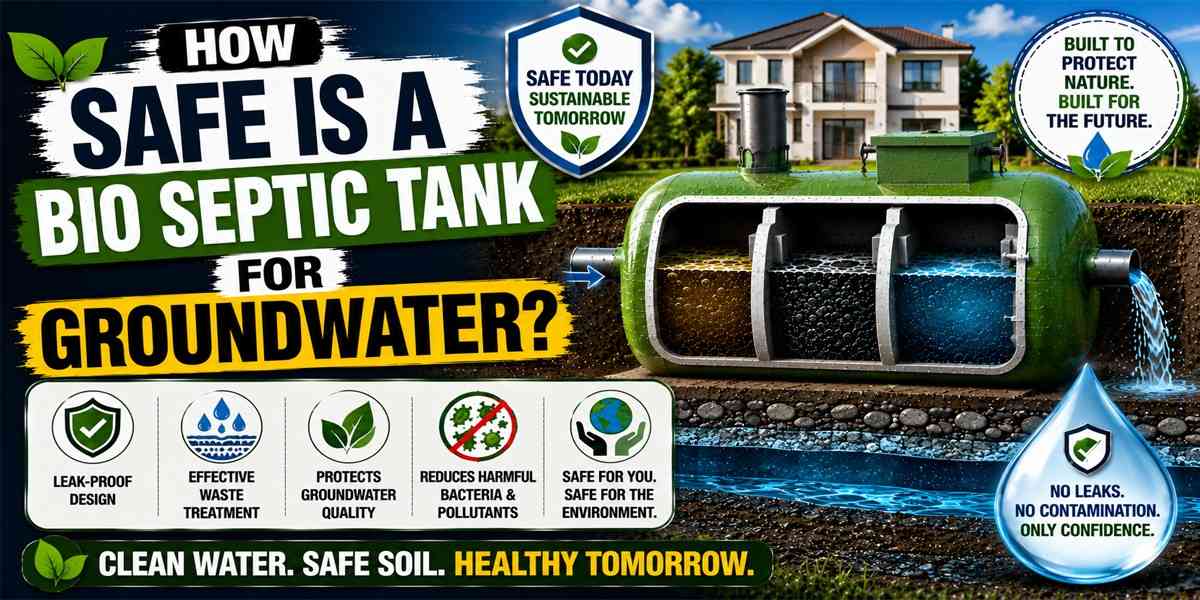
The system works through a series of chambers where bacteria naturally decompose organic waste materials. This biological treatment process not only reduces the volume of waste but also significantly decreases environmental contamination, making it an eco-friendly alternative to traditional disposal methods.
How Bio Septic Systems Work for Businesses
Understanding the mechanics of a septic system business application helps explain why these solutions are gaining popularity among commercial property managers.
When wastewater flows into the septic tank, it undergoes three primary stages of treatment:
Primary Treatment (Settling): Solid waste settles at the bottom of the tank, forming sludge, while lighter materials float to the surface as scum. The clear liquid in the middle layer moves to the next treatment stage.
Secondary Treatment (Biological Breakdown): Beneficial bacteria naturally present in the tank break down the organic matter. This biological action is the core of the system’s effectiveness and requires minimal external intervention.
Final Treatment (Filtration): The remaining liquid passes through a drainage field or filter system where soil and additional bacterial action provide final purification before the water returns to the groundwater.
Why Choose Bio Septic for Commercial Applications?
Cost Efficiency
Installing a septic for businesses is significantly cheaper than connecting to municipal sewer systems. For commercial buildings located away from city infrastructure, bio septic systems eliminate costly connection fees that can reach tens of thousands of dollars. Additionally, operating costs remain low since the system relies on natural biological processes rather than expensive mechanical components.
Reliability and Independence
Commercial operations can’t afford downtime in their waste management systems. Bio septic tanks provide reliable, independent treatment without dependency on public utilities. Even during municipal water disruptions or sewer system failures, your business operations continue smoothly.
Environmental Compliance
Modern bio septic systems are designed to meet or exceed environmental regulations. They significantly reduce harmful pathogens and nutrients that would otherwise contaminate groundwater. This environmental responsibility appeals to eco-conscious consumers and helps businesses maintain positive community relations.
Scalability
Commercial buildings with varying occupancy levels benefit from bio septic systems that naturally adjust to fluctuating waste volumes. Whether you operate a seasonal business or experience growth, the system adapts without requiring complete replacement.
Key Considerations for Commercial Bio Septic Installation
Size and Capacity: Commercial systems require proper sizing based on daily water usage and occupancy rates. Undersizing leads to system failure, while oversizing wastes resources. Professional assessment is essential.
Maintenance Requirements: Regular pumping (typically every 3-5 years for commercial systems) keeps the tank functioning optimally. Professional inspections ensure components are working properly and catch potential issues early.
Soil Conditions: The surrounding soil’s permeability affects system performance. Professional soil testing determines whether your property is suitable for a traditional drainage field or requires alternative systems like sand filters or constructed wetlands.
Usage Patterns: High-volume waste from commercial kitchens, medical facilities, or laundry services requires specialized bio septic designs. These specialized systems incorporate additional treatment stages for challenging waste streams.
Maintenance Best Practices
Proper maintenance extends the life of your commercial bio septic system and prevents costly repairs:
- Schedule regular professional inspections to monitor tank levels and system health
- Implement water conservation practices to reduce system load and extend intervals between pumping
- Avoid flushing inappropriate items such as grease, non-biodegradable products, or harsh chemicals
- Maintain accurate records of all pumping, inspections, and repairs for compliance documentation
- Train staff on proper waste disposal procedures to prevent system damage
Common Misconceptions About Commercial Septic Systems
Many business owners hesitate to choose bio septic solutions due to myths about their effectiveness. The reality is that modern commercial septic systems are highly engineered, regularly monitored, and proven effective across diverse commercial applications globally. They’re not a compromise solution—they’re a smart business choice.
Is Bio Septic Right for Your Business?
Determining whether a bio septic system suits your commercial property depends on several factors including location relative to municipal sewers, soil composition, daily water usage, local regulations, and long-term business plans. Consulting with a septic system specialist provides personalized recommendations for your specific situation.
Conclusion
Bio septic systems represent a practical, cost-effective, and environmentally responsible waste management solution for commercial buildings. By understanding how these systems operate and maintaining them properly, business owners can ensure reliable operations while reducing environmental impact and operational costs. Whether you’re building new commercial space or upgrading existing facilities, bio septic commercial use deserves serious consideration as part of your infrastructure planning.
For businesses seeking independence from municipal systems without compromising reliability, bio septic technology offers the answer to modern waste management challenges.
Leave a Reply