
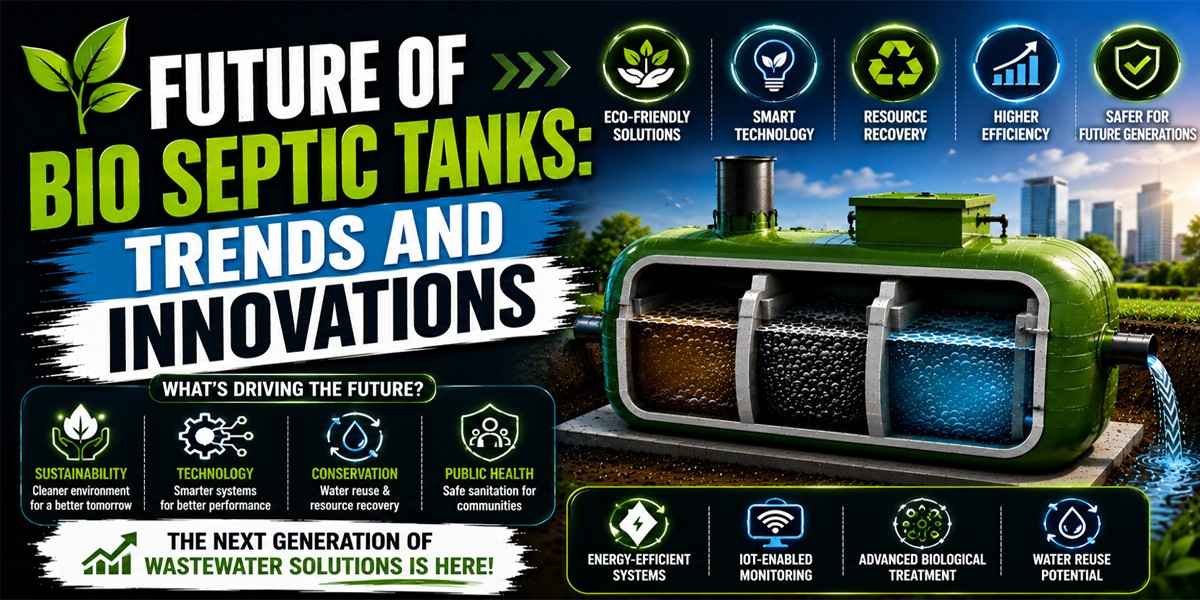
The wastewater treatment industry is experiencing a technological renaissance. As environmental concerns intensify and regulatory standards become more stringent, bio septic tank future innovations are reshaping how residential and commercial properties manage waste. Understanding emerging septic technology trends helps property owners make informed decisions about their infrastructure investments while staying ahead of industry developments.
The Evolution of Septic Technology
Traditional septic systems have served as reliable wastewater solutions for over a century. However, the static designs of the past are giving way to dynamic, technologically advanced systems that offer superior performance, environmental protection, and user convenience. Modern septic tank innovations represent a fundamental shift in how we approach on-site wastewater treatment.
The driving forces behind this evolution include stricter environmental regulations, increasing property values near sensitive water sources, growing population density in rural areas, and rising consumer awareness about sustainability. These factors have catalyzed innovation across the entire septic industry.
Smart Septic Systems: Connected Monitoring and Control
One of the most significant bio septic tank future developments is the integration of Internet of Things (IoT) technology. Smart septic systems feature sensors that continuously monitor tank levels, system performance, and potential issues in real-time.
These intelligent systems send alerts to property owners and maintenance professionals when pumping is needed, preventing expensive system failures and environmental contamination. Homeowners can now check their septic system status through mobile applications, eliminating guesswork about maintenance schedules.
Advanced monitoring systems also track water usage patterns, helping identify leaks and encouraging conservation. This data-driven approach transforms septic maintenance from reactive repairs to proactive prevention—ultimately extending system lifespan and reducing long-term costs.
Advanced Treatment Technologies
Emerging treatment methods represent a quantum leap in septic system efficiency. Aerobic treatment units (ATUs) introduce oxygen into the treatment process, dramatically accelerating bacterial decomposition and producing cleaner effluent than conventional anaerobic systems.
Ultraviolet (UV) disinfection and advanced oxidation processes add final treatment stages that virtually eliminate pathogens before water returns to the groundwater. These polishing technologies prove especially valuable for properties near sensitive water resources or in areas with strict nutrient discharge regulations.
Membrane bioreactor (MBR) technology combines biological treatment with filtration membranes, creating systems that occupy minimal space while delivering exceptionally pure treated water. This innovation opens possibilities for septic systems in challenging locations previously considered unsuitable.
Eco-Friendly Materials and Design
The bio septic tank future emphasizes sustainable construction materials and designs. Manufacturers are developing tanks from recycled plastics and composite materials that offer superior longevity compared to traditional concrete or fiberglass.
These materials resist corrosion, require minimal maintenance, and reduce manufacturing carbon footprints. Additionally, modular system designs allow for easier installation, transportation, and future upgrades without complete system replacement.
Green infrastructure integration represents another important trend. Modern systems incorporate constructed wetlands, permeable drainage fields, and natural filtration systems that treat wastewater while providing habitat and aesthetic value to properties.
Nutrient Recovery and Water Reuse
Forward-thinking septic technology trends focus on resource recovery rather than simple waste disposal. Innovative systems can extract valuable nutrients like nitrogen and phosphorus, transforming them into usable fertilizers or biosolids.
Water reuse capabilities allow treated effluent to irrigate landscapes, reducing freshwater consumption. Some advanced systems produce water clean enough for toilet flushing or irrigation, dramatically cutting overall household water usage. This circular economy approach appeals to environmentally conscious property owners seeking to minimize their ecological impact.
Compact and Space-Efficient Designs
Urban intensification demands space-efficient wastewater solutions. Compact septic systems engineered for tight spaces make feasible the installation of on-site treatment in previously challenging locations. Vertical tank designs and integrated treatment units reduce the footprint while maintaining robust performance.
These compact systems prove invaluable for properties with high water tables, poor soil conditions, or limited yard space—constraints that previously necessitated expensive municipal sewer connections or expensive engineering solutions.
Artificial Intelligence and Predictive Maintenance
Artificial intelligence is revolutionizing septic system management. Machine learning algorithms analyze historical data and system parameters to predict maintenance needs before problems occur. These AI-powered systems optimize bacterial populations, adjust treatment processes in real-time, and identify efficiency improvements.
Predictive analytics reduce unnecessary maintenance visits while ensuring systems operate at peak performance. This intelligence-driven approach minimizes costs, extends system longevity, and maximizes treatment effectiveness
Climate Resilience Features
As climate change introduces more extreme weather events, septic technology innovations incorporate climate resilience features. Enhanced drainage designs handle intense rainfall, while flood-resistant construction protects systems in flood-prone areas.
Temperature-sensitive systems maintain optimal bacterial activity despite seasonal variations, ensuring consistent performance year-round. These adaptations ensure that modern septic systems remain reliable regardless of environmental challenges.
Regulatory Compliance and Beyond
Stricter environmental regulations drive innovation toward systems that not only meet current standards but anticipate future requirements. Advanced treatment technologies produce water quality that exceeds regulatory minimums, future-proofing property owners against more stringent standards.
Progressive manufacturers design systems with upgrading capabilities, allowing property owners to add advanced treatment stages without complete replacement as regulations evolve.
The Role of Consumer Education
Despite technological advances, many property owners remain unfamiliar with septic tank innovations and emerging options. Forward-thinking manufacturers and service providers invest in education, helping consumers understand how modern systems protect investments and the environment.
Conclusion
The bio septic tank future is bright, innovative, and sustainable. From smart monitoring systems to advanced treatment technologies and resource recovery capabilities, modern septic innovations are transforming wastewater treatment from a necessary burden into an asset that protects the environment and property values. As these septic technology trends continue evolving, property owners who embrace new solutions gain competitive advantages through reduced operating costs, environmental responsibility, and future-proof infrastructure. Whether upgrading existing systems or installing new ones, exploring the latest innovations ensures your wastewater solution meets today’s challenges and tomorrow’s opportunities.
Leave a Reply