
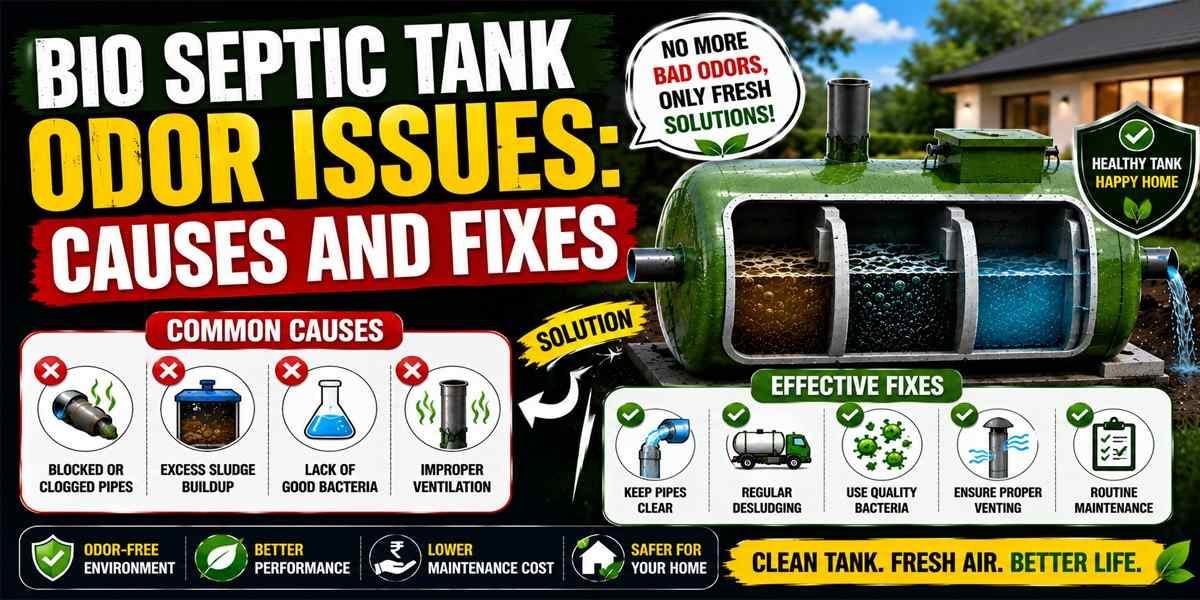
There’s nothing quite like the unmistakable stench of a malfunctioning septic system to ruin your day. A foul septic tank smell wafting from your yard or drains isn’t just unpleasant—it’s a warning sign that something needs immediate attention. Whether you’re dealing with occasional odors or persistent stink, understanding the root causes and solutions can help you restore freshness to your home and property.
Understanding Septic Tank Odors
Your septic tank is a complex underground system designed to safely treat household wastewater. When everything works properly, you shouldn’t smell anything. However, when bacteria and the natural decomposition process get out of balance, you’re left with that telltale rotten egg smell that alerts you to a problem.
The odor comes from hydrogen sulfide gas—a byproduct of anaerobic bacterial activity within your tank. This gas naturally occurs during the septic process but should remain contained. When it escapes into your home or yard, it signals that your system needs help.
Common Causes of Septic Tank Odor
1. Bacterial Imbalance
The most common cause of a bio septic odor issue is an imbalance in the bacterial ecosystem inside your tank. Your septic system relies on beneficial bacteria to break down solids and waste. If harmful bacteria overpower the good bacteria—often due to antibiotic use, harsh chemicals, or excessive chlorine—the decomposition process fails, producing more gas.
2. Overloaded System
Excessive water usage can overwhelm your septic tank’s capacity. Doing multiple loads of laundry, taking long showers, or using a garbage disposal more than necessary forces partially treated waste into your drain field, leading to backup and odors.
3. Low Water Levels
Conversely, insufficient water can concentrate waste and prevent proper bacterial activity. During dry seasons or if your tank isn’t receiving enough regular water usage, the decomposition process slows, creating stagnant conditions and more odors.
4. Clogged or Damaged Vents
Your septic system has a vent pipe that allows gases to escape safely through your roof. If this vent becomes clogged with debris, bird nests, or insects, gases have nowhere to go except back into your home and yard, creating noticeable odors around your property.
5. Full or Failing Tank
If your tank hasn’t been pumped in several years, solids accumulate and overwhelm the system’s capacity. A full tank cannot function properly, leading to slow drains, backups, and strong odors inside and outside your home.
6. Drain Field Problems
A failing drain field—where treated effluent should be filtered into the soil—can cause odors and wet patches in your yard. Tree roots, soil compaction, or biomat buildup can damage this critical component.
Effective Solutions to Fix Septic Tank Smell
Immediate Actions
If you’re dealing with a bad smell right now, start with these quick fixes:
- Check the vent pipe for visible blockages and clear any debris
- Reduce water usage temporarily to help your system recover
- Avoid flushing harmful items like feminine hygiene products, wipes, or excessive paper
- Stop using harsh chemicals and antibacterial soaps that kill beneficial bacteria
Bio Septic Odor Solution: Bacterial Treatments
One of the most effective bio septic odor solution methods is adding bacterial additives to restore balance. These products introduce beneficial enzymes and bacteria that:
- Accelerate waste decomposition
- Restore the proper bacterial balance
- Reduce hydrogen sulfide production
- Improve overall system performance
Quality enzyme treatments are affordable, easy to use, and can show results within days. Pour them down your drain or toilet and let them work their magic.
Regular Tank Maintenance
Schedule professional septic tank pumping every 3-5 years, depending on tank size and household size. A well-maintained tank is less likely to develop odor issues. During pumping, a professional can inspect your system for damage or problems.
Address Water Usage
Install low-flow showerheads and faucet aerators to reduce water consumption. Spread laundry throughout the week rather than doing multiple loads at once. Avoid using your garbage disposal or use it sparingly. These changes help your tank process waste more effectively.
Repair Vents and Damage
Have a professional inspect your vent system and make repairs if needed. If your drain field is failing, you may need to install a new one—this is a larger project but essential for system health.
Biological Enzymes vs. Chemical Treatments
While chemical treatments might seem appealing, enzyme-based products are gentler and more effective long-term. They work with your system’s natural processes rather than against them, making them the preferred choice for lasting results.
Prevention Tips
The best cure is prevention. Maintain your septic system by:
- Being mindful of what you flush (only human waste and toilet paper)
- Using septic-safe cleaning products
- Limiting water usage during peak hours
- Keeping tree roots away from your system
- Avoiding parking or building structures over your drain field
- Having regular professional inspections
When to Call a Professional
If odors persist after trying these solutions, or if you notice backed-up toilets, slow drains, or wet patches in your yard, call a septic professional immediately. These signs indicate a more serious problem that requires expert diagnosis and repair.
Conclusion
A bad septic tank smell doesn’t have to become a permanent problem. By understanding the common causes and taking action—whether through bio septic odor solutions, regular maintenance, or professional repairs—you can restore your system to working order. Remember, your septic system is an investment in your home’s health and comfort. Treat it with the care it deserves, and it will treat you well for decades to come.
Leave a Reply