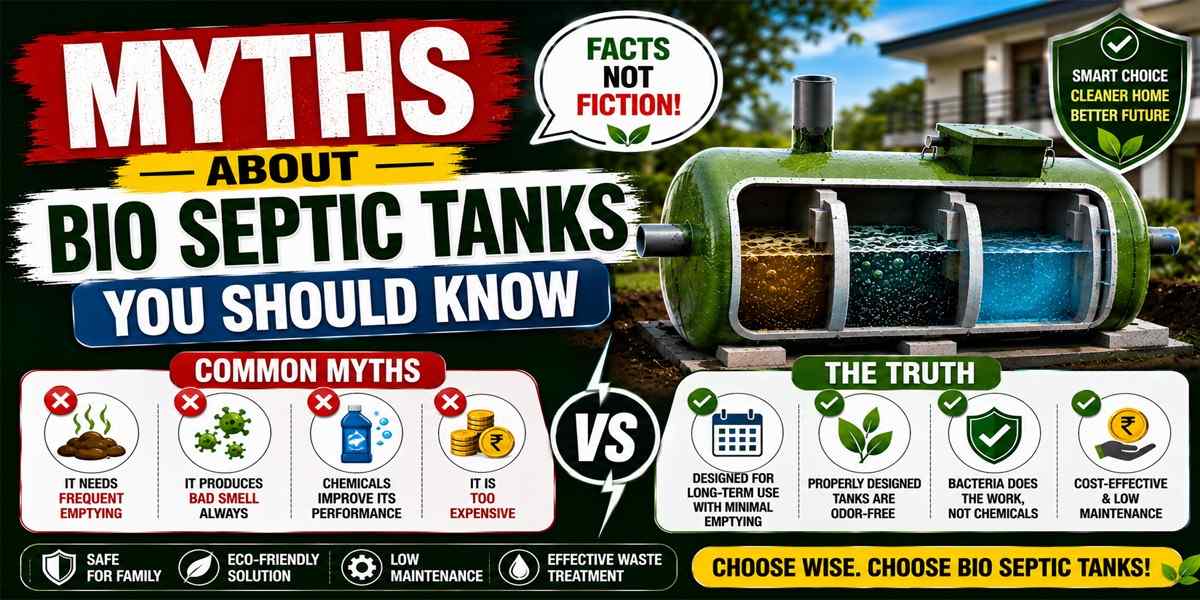
Bio septic tanks have gained popularity as eco-friendly wastewater management solutions, but misinformation continues to cloud homeowners’ understanding of how they actually work. Separating fact from fiction is essential for making informed decisions about your septic system. Let’s explore the most common bio septic tank myths and uncover the real septic tank facts.
Myth 1: Bio Septic Tanks Never Need Pumping
The Reality: This is perhaps the most dangerous misconception about bio septic systems. While biological treatments enhance waste breakdown, they don’t eliminate the need for professional pumping.
Even with optimal bacterial activity, non-biodegradable materials, excess sludge, and scum layers accumulate over time. These substances cannot be fully broken down by bacteria alone. Most bio septic tanks require pumping every 3-5 years, depending on household size and usage patterns.
Believing this myth can lead to system overload, drain field failure, and costly repairs that far exceed routine maintenance expenses. Regular pumping remains a critical component of septic system care, regardless of biological additives you use.
Myth 2: You Can Flush Anything if You Use Bio Treatments
The Truth: Biological treatments enhance your system’s ability to process organic waste, but they’re not miracle workers.
Flushing inappropriate items damages your septic system regardless of how many bio treatments you add. Non-biodegradable products like wet wipes, feminine hygiene products, dental floss, cigarette butts, and cat litter will clog your system. Even items labeled “flushable” often don’t break down adequately in septic environments.
Additionally, harsh chemicals, paint, pesticides, and excessive grease kill beneficial bacteria, undermining the very biological processes you’re trying to support. The septic tank facts are clear: only human waste and toilet paper should enter your system.
Myth 3: Bio Additives Eliminate the Need for Professional Inspections
The Reality: Regular inspections catch problems before they become emergencies, and no amount of biological treatment can replace professional expertise.
Inspections identify structural issues like cracks, damaged baffles, failing drain fields, and improper water levels that biological additives cannot address. A professional can measure sludge and scum layers to determine when pumping is necessary, check for leaks, and ensure your system complies with local regulations.
Most experts recommend annual inspections for bio septic tanks. These preventive check-ups cost far less than emergency repairs and extend your system’s operational lifespan significantly.
Myth 4: All Bio Septic Products Work the Same Way
The Truth: The biological septic treatment market varies widely in quality and effectiveness.
Quality products contain multiple strains of live bacteria specifically selected to target different waste components. Inferior products may contain dormant spores, fillers, or insufficient bacterial concentrations to make a meaningful difference. Some even include harmful chemicals that contradict the purpose of biological treatment.
Understanding these differences helps you select effective products. Look for scientifically formulated treatments with documented bacterial counts, avoid products making unrealistic claims, and choose established brands with positive user reviews and third-party testing.
Myth 5: Bio Septic Tanks Don’t Smell
The Reality: While biological treatments significantly reduce odors, they don’t guarantee a completely odor-free system.
Properly functioning bio septic tanks produce minimal smell because efficient bacterial activity breaks down odor-causing compounds. However, several factors can still create odors: overloaded systems, improper venting, drain field saturation, or bacterial imbalance.
If you notice persistent foul smells, it indicates a problem requiring attention. The odor itself is a diagnostic tool signaling that your system needs intervention, whether through additional bio treatments, reduced water usage, or professional service.
Myth 6: Bio Septic Systems Work Instantly
The Truth: Establishing a healthy bacterial colony takes time and consistent maintenance.
When you first introduce biological treatments, bacteria need several weeks to colonize your tank and establish effective waste-processing populations. You won’t see immediate dramatic results. Consistent monthly applications help maintain bacterial levels, but patience is essential.
If you’ve recently had your tank pumped, which removes beneficial bacteria along with waste, re-establishing the biological ecosystem requires even more time. This reality emphasizes the importance of ongoing bio treatment rather than one-time applications.
Myth 7: Chemical Cleaners Are Fine if You Use Bio Treatments
The Reality: This myth contradicts basic biology and represents a fundamental misunderstanding of how bio septic systems function.
Chemical drain cleaners, antibacterial soaps, bleach, and other harsh substances kill the beneficial bacteria your system depends on. Using bio treatments doesn’t provide immunity against these harmful chemicals. In fact, regularly introducing chemicals while adding biological treatments creates a counterproductive cycle where you’re simultaneously killing and replenishing bacteria.
The septic myths explained here reveal that chemical cleaners and biological treatments are incompatible. Choose septic-safe, biodegradable cleaning products to protect your bacterial colony.
Myth 8: Bigger Tanks Don’t Need Bio Treatments
The Truth: Tank size doesn’t eliminate the benefits of biological enhancement.
While larger tanks provide more processing capacity and time for waste breakdown, they still benefit from robust bacterial populations. Larger tanks actually offer more surface area and volume for bacteria to colonize, potentially making bio treatments even more effective.
Tank size should influence how much biological treatment you use, not whether you use it at all. Follow manufacturer recommendations scaled to your tank’s capacity for optimal results.
Myth 9: Bio Septic Tanks Are Maintenance-Free
The Reality: Bio septic tanks require less intensive maintenance than conventional systems, but “less” doesn’t mean “none.”
Effective bio septic management includes monthly bio treatments, water conservation practices, regular inspections, periodic pumping, and mindful household habits. The biological component reduces maintenance burden but doesn’t eliminate it entirely.
Think of bio treatments as preventive medicine for your septic system. They help maintain health and prevent problems, but they work best as part of a comprehensive care routine.
The Bottom Line
Understanding bio septic tank myths versus septic tank facts empowers you to maintain your system effectively. Bio treatments offer genuine benefits—improved waste breakdown, extended pumping intervals, reduced odors, and environmental friendliness—but they’re not magical solutions that eliminate all maintenance requirements.
The most successful bio septic system owners combine biological treatments with regular professional service, appropriate household practices, and realistic expectations. By debunking these common myths, you can make informed decisions that protect your investment and ensure reliable, long-term system performance.
Remember, when it comes to septic myths explained, knowledge is your best defense against costly mistakes and system failures.
Leave a Reply