If you’re a homeowner with a septic system, you’ve likely heard about bio septic tank cleaning as an alternative to traditional maintenance methods. But is it really necessary? Understanding what bio cleaning involves and whether your system needs it can save you money and prevent costly repairs down the line.
What Is Bio Septic Tank Cleaning?
Bio septic tank cleaning refers to the use of biological additives and bacteria-based treatments to break down waste in your septic system. Unlike harsh chemical cleaners that can damage your tank’s ecosystem, biological treatments introduce beneficial bacteria that naturally digest solid waste, grease, and other organic materials.
These biological solutions work by accelerating the decomposition process that already occurs in your septic tank. The bacteria consume waste products, converting them into water, carbon dioxide, and other harmless byproducts. This natural process helps maintain a healthy balance in your septic system and can extend the time between professional pump-outs.
How Does It Differ from Traditional Septic Cleaning?
Traditional septic tank maintenance primarily involves mechanical pumping every 3-5 years, where professionals physically remove accumulated sludge and scum from your tank. While this remains essential, bio cleaning serves as a complementary approach that helps maintain your system between pump-outs.
Chemical cleaners, once popular, are now discouraged because they kill the beneficial bacteria your septic system needs to function properly. Bio treatments, on the other hand, enhance your system’s natural processes rather than disrupting them.
Signs You Might Need Bio Septic Tank Cleaning
Several indicators suggest your septic system could benefit from biological treatment:
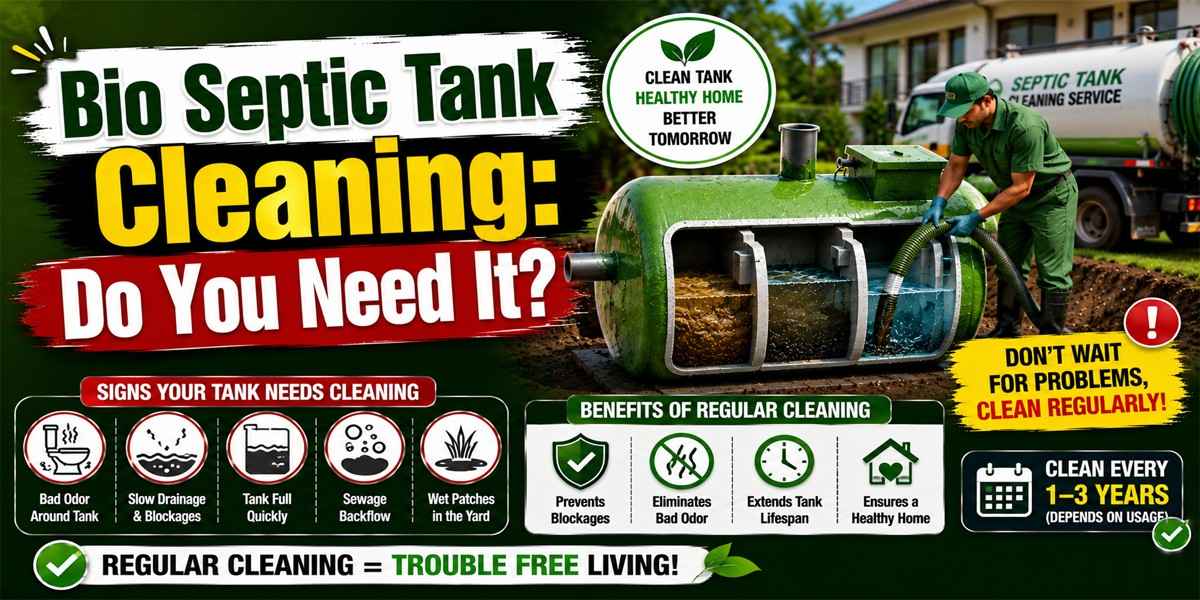
Slow Draining Fixtures: If your sinks, showers, or toilets are draining slower than usual, it could indicate a buildup of solid waste that bio treatments can help break down.
Unpleasant Odors: Foul smells near your drain field or inside your home often signal that waste isn’t decomposing efficiently. Biological additives can help restore balance.
Frequent Backups: Regular backups might mean your system is struggling to process waste effectively. Bio cleaning can improve the breakdown of solids before you face a serious blockage.
Recent Antibiotic Use: If household members have taken antibiotics, these medications can kill beneficial bacteria in your septic tank. Bio treatments help replenish this essential bacterial population.
Heavy Water Usage: Large families or frequent guests can overload your system. Regular bio treatments help your tank keep pace with increased waste production.
The Benefits of Bio Septic Tank Cleaning
Incorporating biological treatments into your septic cleaning guide offers several advantages:
Extended System Lifespan: By maintaining optimal bacterial levels, bio treatments reduce stress on your entire septic system, potentially adding years to its operational life.
Reduced Odors: Efficient waste breakdown means fewer odors escaping from your tank or drain field.
Cost Savings: While you’ll still need professional pump-outs, bio treatments can extend the intervals between services, saving money over time.
Environmental Protection: Biological additives are eco-friendly, breaking down waste naturally without introducing harmful chemicals into the groundwater.
Improved Drain Field Function: Better waste breakdown in the tank means clearer effluent reaching your drain field, reducing the risk of clogs and soil saturation.
When Bio Cleaning Isn’t Enough
It’s crucial to understand that bio septic tank cleaning isn’t a replacement for proper maintenance. Here’s when you need professional intervention:
- Excessive Sludge Buildup: When solid waste fills more than one-third of your tank, no amount of biological treatment will suffice. You need professional pumping.
- Structural Damage: Cracks, leaks, or collapsed baffles require physical repairs, not biological solutions.
- Complete System Failure: If your drain field has failed or your tank is severely damaged, bio treatments won’t solve the underlying problem.
Choosing the Right Bio Treatment
Not all biological septic treatments are created equal. When selecting a product for cleaning septic tanks, look for:
- Live Bacterial Cultures: Ensure the product contains active, live bacteria rather than dormant spores.
- Multiple Bacterial Strains: Different bacteria target different waste types, so variety is beneficial.
- No Harmful Additives: Avoid products with chemicals, solvents, or fillers that could harm your system.
- Reputable Brands: Choose products from established manufacturers with positive reviews.
Best Practices for Bio Septic Maintenance
To maximize the effectiveness of bio septic tank cleaning:
- Regular Schedule: Add biological treatments monthly for consistent bacterial levels.
- Avoid Harmful Substances: Never flush chemicals, grease, or non-biodegradable items that could kill beneficial bacteria.
- Monitor Water Usage: Spread out laundry and dishwashing to avoid overwhelming your system.
- Professional Inspections: Schedule regular inspections even when using bio treatments.
- Keep Records: Track when you add treatments and schedule pump-outs to optimize your septic cleaning guide.
The Bottom Line: Do You Need It?
Bio septic tank cleaning is a valuable tool for maintaining a healthy septic system, but it’s not a magic solution. If you want to extend your system’s lifespan, reduce odors, and potentially save money on pump-outs, incorporating biological treatments into your maintenance routine makes sense.
However, bio cleaning should complement—not replace—professional inspections and periodic pump-outs. Think of it as preventive care that keeps your system running smoothly between major services.
For most homeowners with septic systems, the answer is yes: bio septic tank cleaning is a worthwhile investment in your property’s infrastructure. It’s an affordable, eco-friendly way to support your system’s natural processes and avoid costly repairs. Just remember that proper septic care requires a comprehensive approach combining biological treatments, water conservation, and regular professional maintenance.
Leave a Reply