
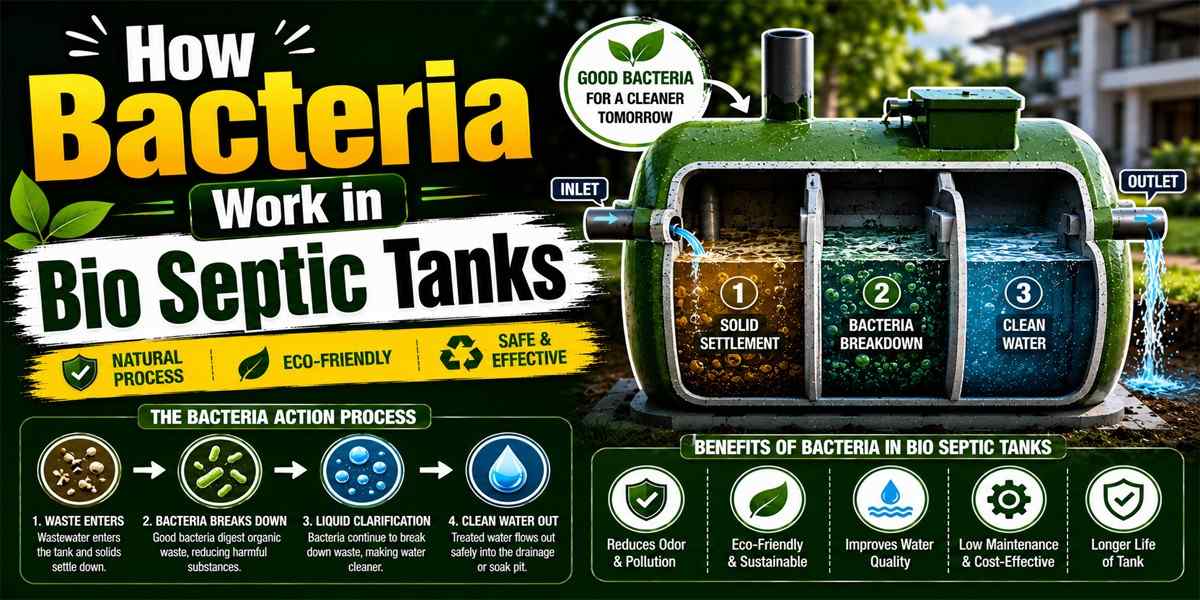
Understanding bio septic bacteria is essential to appreciating how modern wastewater treatment works right beneath your property. These microscopic organisms are the unsung heroes of sanitation, silently breaking down waste and protecting our environment. This comprehensive guide explains the role of bacteria in septic systems and how septic tank bacteria function to keep your wastewater management system running smoothly.
The Science Behind Bio Septic Bacteria
Bio septic tanks rely on natural biological processes that have existed for millions of years. Bio septic bacteria are living microorganisms that consume organic waste as their food source, breaking down complex compounds into simpler, safer substances through digestion and metabolism.
Unlike chemical treatment methods, bacterial decomposition is completely natural, sustainable, and environmentally friendly. These microscopic workers operate 24/7, requiring no electricity or mechanical intervention—just the right conditions to thrive.
The beauty of this system lies in its simplicity. Nature designed bacteria to decompose organic matter, and bio septic tanks simply harness this natural process in a controlled environment optimized for maximum efficiency.
Types of Bacteria in Septic Systems
Not all bacteria are created equal. Bio septic tanks host diverse bacterial communities, each playing specific roles in waste breakdown.
Aerobic Bacteria:
These oxygen-loving microorganisms thrive in the upper layers of septic tanks where dissolved oxygen is present. Aerobic bacteria are highly efficient, breaking down organic matter rapidly and producing carbon dioxide, water, and energy as byproducts.
Their septic tank bacteria function includes rapid decomposition of fresh waste, reduction of foul odors, and production of cleaner effluent. However, they require oxygen to survive, which limits their presence to surface layers and well-aerated systems.
Anaerobic Bacteria:
The workhorses of traditional septic systems, anaerobic bacteria function without oxygen. They dominate the deeper layers of septic tanks where oxygen cannot penetrate. These hardy microorganisms handle the bulk of waste decomposition in most residential systems.
Anaerobic bacteria work slower than their aerobic counterparts but are essential for breaking down solid waste that settles at the tank bottom. They produce methane, hydrogen sulfide, and other gases during decomposition—which explains the characteristic septic odor when tanks are opened.
Facultative Bacteria:
These versatile organisms can switch between aerobic and anaerobic metabolism depending on oxygen availability. Facultative bacteria populate the middle zones of septic tanks, adapting to changing conditions and bridging the gap between oxygen-rich and oxygen-depleted areas.
Their adaptability makes them crucial for system stability, ensuring decomposition continues even when conditions fluctuate.
How Bacteria Break Down Waste
The role of bacteria in septic systems involves complex biochemical processes that transform harmful waste into harmless substances.
Stage 1: Liquefaction
Bacteria release enzymes that break down large solid particles into smaller, soluble compounds. Proteins become amino acids, fats transform into fatty acids, and complex carbohydrates break down into simple sugars. This liquefaction makes waste molecules small enough for bacteria to absorb.
Stage 2: Acidogenesis
Acidogenic bacteria convert the liquefied compounds into organic acids, hydrogen, and carbon dioxide. This acidification stage is crucial for preparing waste for further decomposition. The tank’s pH levels fluctuate during this phase as various acids form.
Stage 3: Acetogenesis
Acetogenic bacteria further process the organic acids, producing acetic acid, hydrogen, and carbon dioxide. This stage fine-tunes the waste composition, creating ideal substrates for the final decomposition stage.
Stage 4: Methanogenesis
Methanogenic bacteria, strictly anaerobic organisms, complete the process by converting acetic acid and hydrogen into methane and carbon dioxide. This final stage produces the biogas often associated with septic systems while neutralizing the waste into environmentally safe forms.
Factors Affecting Bacterial Efficiency
Bio septic bacteria are living organisms with specific environmental requirements. Several factors influence their effectiveness.
Temperature:
Bacteria function optimally between 25-35°C (77-95°F). Cold temperatures slow their metabolism dramatically—systems in colder climates see reduced efficiency during winter months. Extreme heat above 40°C can kill beneficial bacteria, though this rarely occurs naturally.
pH Levels:
Most septic bacteria prefer neutral to slightly acidic conditions (pH 6.5-7.5). Extreme acidity or alkalinity disrupts their metabolism and can kill bacterial colonies. Household chemicals, especially strong acids or bases, can dangerously alter pH levels.
Oxygen Availability:
While anaerobic bacteria dominate traditional tanks, maintaining small amounts of oxygen in upper layers supports aerobic bacteria and improves overall efficiency. Some modern bio septic systems incorporate aeration mechanisms to enhance aerobic activity.
Nutrient Balance:
Bacteria need balanced nutrition—carbon, nitrogen, phosphorus, and trace minerals—to thrive. Normal household waste provides adequate nutrients, but imbalances can occur with unusual discharge patterns.
Toxic Substances:
Antibacterial soaps, bleach, harsh chemicals, paint, solvents, and medications can poison bacterial colonies. Even small amounts of toxic substances disrupt the delicate microbial balance, potentially causing complete system failure.
Maintaining Healthy Bacterial Populations
Understanding septic tank bacteria function helps homeowners support their microscopic workforce.
Avoid Chemical Killers:
Limit antibacterial cleaners and bleach usage. When using harsh chemicals, dilute them heavily and spread use over time rather than disposing of large quantities at once. Choose septic-safe cleaning products whenever possible.
Regular Feeding:
Bacteria need consistent organic matter to survive. Extended periods without wastewater input—like vacation homes left empty—can starve bacterial populations. Some experts recommend adding bacterial activators before long absences.
Proper Desludging:
While regular pumping removes accumulated sludge, excessive or improper desludging can remove too many beneficial bacteria. Leave approximately 25-30% of sludge during pumping to maintain bacterial seed populations.
Bacterial Additives:
Commercial bacterial additives can boost populations after system disruptions, chemical contamination, or antibiotics use. However, healthy systems typically don’t require regular additives—bacteria naturally regenerate if conditions remain favorable.
Water Management:
Excessive water flow can wash bacteria out faster than they reproduce, a condition called hydraulic overload. Water conservation and staggered laundry loads help maintain stable bacterial populations.
Signs of Bacterial Problems
Recognizing when bio septic bacteria populations are struggling allows early intervention:
Slow-draining fixtures throughout the home suggest insufficient bacterial activity failing to decompose waste adequately. Foul odors stronger than normal indicate anaerobic dominance without balancing aerobic activity. Sewage backups signal complete decomposition failure. Unusually wet or lush grass over the drain field suggests untreated effluent escaping the system.
The Environmental Impact
The role of bacteria in septic systems extends beyond individual properties. Healthy bacterial populations prevent groundwater contamination, reduce nutrient pollution in water bodies, minimize methane emissions through complete decomposition, and eliminate pathogens that could spread disease.
By maintaining optimal bacterial function, homeowners protect both their investment and the broader environment, contributing to sustainable water management and public health.
Conclusion
Bio septic bacteria represent nature’s perfect wastewater treatment solution. These microscopic organisms work tirelessly, transforming potentially harmful waste into environmentally safe substances without requiring external energy or chemical inputs.
Understanding septic tank bacteria function empowers homeowners to maintain system health through simple practices: limiting toxic chemical use, managing water consumption, and scheduling appropriate maintenance. By supporting these beneficial bacteria, you ensure decades of reliable, eco-friendly wastewater treatment while protecting groundwater resources for future generations.
The next time you flush or drain water, remember the billions of bacteria working below ground, silently protecting your home and environment through nature’s most elegant engineering.
Leave a Reply