
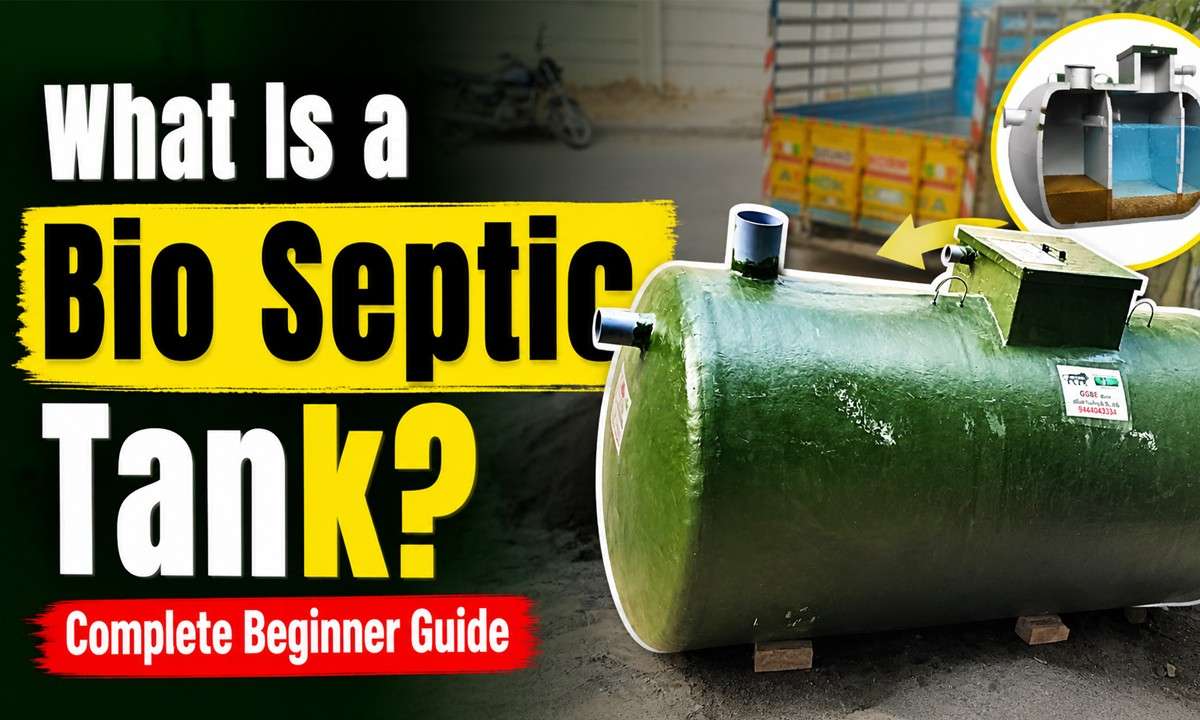
If you’re building a new home or looking to upgrade your current wastewater management system, you’ve probably come across the term “bio septic tank.” But what exactly is a bio septic tank, and how does it differ from traditional septic systems? This complete beginner guide will help you understand everything you need to know about these eco-friendly wastewater solutions.
Understanding Bio Septic Tanks
A bio septic tank is an advanced wastewater treatment system that uses natural biological processes to break down organic waste. Unlike conventional septic tanks that primarily rely on settling and basic decomposition, bio septic tanks employ specialized bacteria and microorganisms to treat sewage more efficiently and environmentally responsibly.
These systems are designed to handle household wastewater from toilets, sinks, showers, and washing machines, converting it into cleaner effluent that’s safer for the environment. The biological treatment process significantly reduces pollutants, odors, and harmful pathogens before the water is released back into the ground.
How Do Bio Septic Tanks Work?
To learn about bio septic tanks effectively, you need to understand their working mechanism. The treatment process occurs in multiple stages:
Stage 1: Primary Treatment
When wastewater enters the bio septic tank, solid waste settles at the bottom forming sludge, while lighter materials like grease and oils float to the top as scum. This initial separation is similar to traditional septic tanks.
Stage 2: Biological Digestion
Here’s where bio septic tanks shine. Aerobic bacteria (oxygen-loving microorganisms) are introduced into the system, either naturally or through bacterial additives. These beneficial bacteria actively consume organic matter, breaking it down into simpler, less harmful substances. This biological digestion is far more thorough than what occurs in conventional tanks.
Stage 3: Filtration and Purification
The partially treated water moves through filtration chambers containing special media that further purify the effluent. This stage removes remaining suspended solids and reduces harmful bacteria and pathogens.
Stage 4: Final Discharge
The treated water, now significantly cleaner than what conventional systems produce, is discharged into a drain field or soak pit where it safely percolates into the soil.
Key Benefits of Bio Septic Tanks
Understanding what is bio septic tank technology reveals several compelling advantages:
Environmental Protection:
Bio septic tanks treat wastewater more thoroughly, reducing groundwater contamination and protecting local ecosystems. The enhanced bacterial action breaks down pollutants that conventional systems might miss.
Odor Reduction:
The active biological processes significantly minimize unpleasant smells commonly associated with traditional septic systems. Your property stays fresher and more pleasant.
Lower Maintenance:
While regular inspections are still necessary, bio septic tanks often require less frequent pumping because the bacteria efficiently break down solid waste, reducing sludge accumulation.
Space Efficiency:
Many bio septic tank designs are more compact than traditional systems, making them ideal for properties with limited space.
Cost-Effective Long-Term:
Though initial installation might be slightly higher, reduced maintenance costs and longer system lifespan make bio septic tanks economical over time.
Compliance with Regulations:
As environmental standards become stricter, bio septic tanks often meet or exceed local wastewater treatment requirements more easily than conventional systems.
Types of Bio Septic Tanks
Several varieties are available depending on your needs:
Aerobic Bio Septic Tanks:
These systems use oxygen-dependent bacteria and often include aeration devices to maximize bacterial efficiency. They provide superior treatment but may require electricity.
Anaerobic Bio Septic Tanks:
These rely on bacteria that thrive without oxygen. They’re simpler and don’t need power but may not treat wastewater as thoroughly as aerobic systems.
Hybrid Systems:
Combining both aerobic and anaerobic processes, these offer balanced performance and efficiency.
Installation Considerations
Before installing a bio septic tank, consider these factors:
- Property Size: Ensure you have adequate space for the tank and drain field
- Soil Type: Soil percolation rates affect drainage efficiency
- Household Size: Tank capacity should match your daily wastewater volume
- Local Regulations: Check municipal codes and obtain necessary permits
- Professional Installation: Always hire certified professionals for proper installation
Maintenance Tips
Keep your bio septic tank functioning optimally with these practices:
- Regular Inspections: Have your system inspected annually by professionals
- Bacterial Additives: Some systems benefit from periodic bacterial supplements
- Avoid Harsh Chemicals: Bleach, antibacterial soaps, and strong cleaners can kill beneficial bacteria
- Water Conservation: Excessive water use can overwhelm the system
- Proper Waste Disposal: Never flush non-biodegradable items, grease, or chemicals
Is a Bio Septic Tank Right for You?
A bio septic tank is an excellent choice if you:
- Live in areas without municipal sewage systems
- Want an environmentally responsible wastewater solution
- Have limited property space
- Face strict local environmental regulations
- Prefer lower long-term maintenance costs
Conclusion
A bio septic tank represents a modern, eco-friendly approach to wastewater management. By harnessing the power of natural biological processes, these systems treat sewage more effectively than traditional septic tanks while protecting the environment and reducing maintenance hassles.
Whether you’re building new or replacing an outdated system, investing in a bio septic tank is a smart decision for sustainable living. With proper installation and maintenance, these systems provide reliable, efficient wastewater treatment for decades to come.
Ready to make the switch? Consult with local wastewater treatment professionals to find the perfect bio septic tank solution for your property.
Leave a Reply