
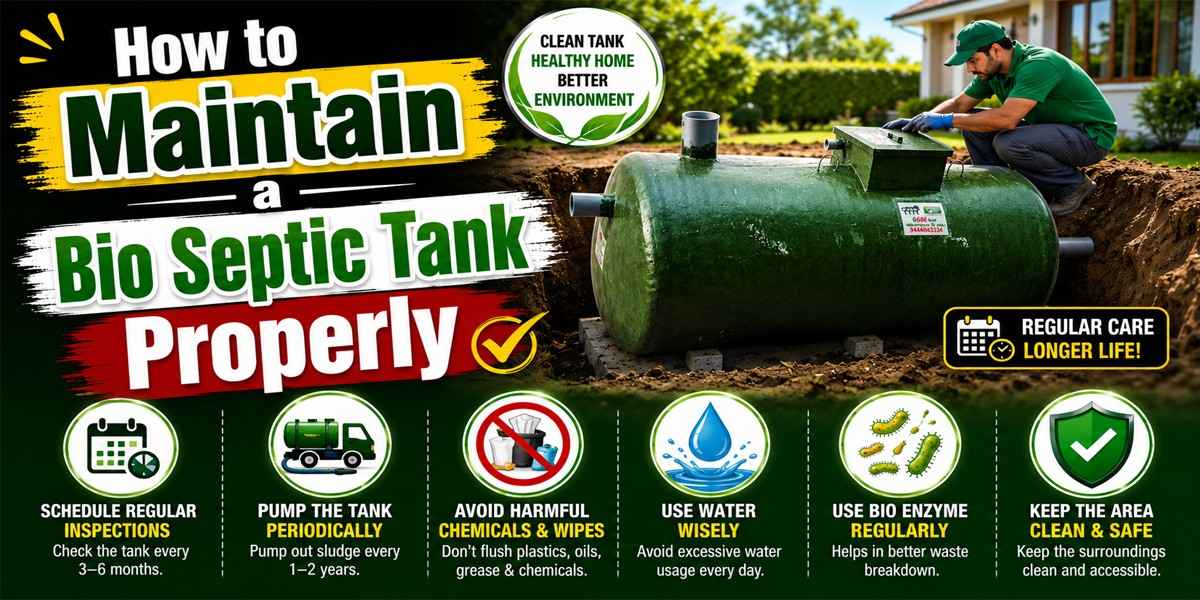
A bio septic tank is an investment in your property’s wastewater management system, and like any investment, it requires proper care to function optimally. Regular bio septic tank maintenance ensures your system operates efficiently, prevents costly repairs, and extends its lifespan significantly. Understanding how to maintain your septic system properly can save you thousands of dollars while protecting the environment. This comprehensive guide provides essential septic tank care tips to keep your bio septic system running smoothly for years to come.
Understanding Your Bio Septic System
Bio septic tanks differ from conventional systems by utilizing aerobic bacteria that actively break down waste with the help of oxygen. This biological process requires specific conditions to thrive, making maintenance particularly important. When properly maintained, these systems can last 20-30 years or more while providing superior wastewater treatment.
Regular Inspection Schedule
The foundation of effective bio septic tank maintenance is establishing a regular inspection routine. Schedule professional inspections at least once a year, even if everything seems to be working fine. During these inspections, technicians check the sludge and scum levels, test the aeration system, examine baffles and filters, and assess the overall system health.
Between professional visits, conduct monthly visual checks yourself. Look for warning signs like soggy areas around the drain field, unusual odors near the tank, slow drains throughout your house, or gurgling sounds in your plumbing. Early detection of issues prevents minor problems from becoming major disasters.
Aeration System Maintenance
The aeration component is the heart of your bio septic system and requires special attention in your septic tank care tips routine. The air pump must run continuously to supply oxygen to the beneficial bacteria. Check the pump monthly to ensure it’s operating correctly—you should hear a steady humming sound and feel air flowing through the lines.
Replace air filters every 6-12 months, depending on your manufacturer’s recommendations and environmental conditions. Clogged filters reduce oxygen supply, compromising the biological treatment process. Clean the diffusers annually to remove any buildup that might restrict airflow.
If your alarm system sounds, don’t ignore it. This indicates a problem with the aeration system that needs immediate attention, as the bacteria cannot survive long without oxygen.
Bacterial Balance Management
Maintaining healthy bacterial colonies is crucial when you maintain your septic system. Add bacterial supplements specifically formulated for bio septic tanks every 2-3 months. These supplements replenish beneficial bacteria that may be depleted by household chemicals or antibacterial products.
Avoid flushing antibiotics, harsh cleaning chemicals, or antibacterial soaps down drains, as these kill the beneficial bacteria your system needs. If you must use such products, minimize their use and consider increasing bacterial supplement frequency during those periods.
Never pour grease, oils, or fats down drains. These substances don’t break down easily and can coat bacteria, reducing their effectiveness while clogging your system.
Water Usage Management
Excessive water usage is one of the most common causes of bio septic system failure. Implement these bio septic tank maintenance practices to manage water flow:
Spread laundry loads throughout the week rather than doing multiple loads in one day. This prevents hydraulic overload that can flush beneficial bacteria out of the tank.
Fix leaky faucets and running toilets immediately. A constantly running toilet can waste 200 gallons daily, overwhelming your system.
Install water-efficient fixtures like low-flow toilets and showerheads. These reduce the total water entering your system while maintaining functionality.
Avoid using garbage disposals if possible, as they significantly increase solid waste and water volume. Compost food scraps instead.
What Not to Flush
Protecting your system starts with being mindful of what goes down your drains. Following these septic tank care tips prevents clogs and system damage:
Only flush human waste and toilet paper. Never flush feminine hygiene products, dental floss, cat litter, cigarette butts, diapers, or wipes—even those labeled “flushable.”
Avoid pouring paint, solvents, pesticides, photographic chemicals, or motor oil down drains. These toxic materials kill beneficial bacteria and contaminate groundwater.
Don’t flush medications down the toilet. These chemicals can disrupt the bacterial balance and enter the water supply.
Pumping Schedule
Even with excellent maintenance, bio septic tanks require periodic pumping. Most systems need pumping every 3-5 years, though frequency depends on tank size, household size, and water usage patterns.
During pumping, professionals remove accumulated sludge and scum that bacteria cannot fully decompose. Skipping this essential bio septic tank maintenance step leads to solids entering the drain field, causing permanent damage.
Keep detailed records of pumping dates and inspection findings. This documentation helps identify patterns and predict when service is needed.
Protecting the Drain Field
The drain field is your system’s final treatment stage and deserves careful protection. Never park vehicles or place heavy structures over the drain field area, as compaction damages the soil structure and pipes beneath.
Keep trees and shrubs at least 30 feet away from the drain field. Roots seek moisture and can infiltrate pipes, causing blockages and breakage.
Direct roof gutters, sump pumps, and surface water away from the drain field to prevent saturation that inhibits proper wastewater absorption.
Seasonal Considerations
Adjust your maintenance routine seasonally. In winter, insulate the area above your tank if you live in freezing climates. Maintain grass cover over the system for natural insulation.
During heavy rainfall periods, monitor your system more closely for signs of oversaturation. Reduce water usage during these times to compensate for saturated soil conditions.
Professional Maintenance Partnerships
While DIY maintenance is important, establishing a relationship with qualified septic professionals ensures expert care. They bring specialized equipment, technical knowledge, and experience that homeowners cannot replicate.
Choose licensed technicians familiar with bio septic systems specifically, as they require different maintenance approaches than conventional systems.
Conclusion
Proper bio septic tank maintenance isn’t complicated, but it does require consistency and attention. By following these septic tank care tips and staying proactive about system health, you’ll enjoy reliable, odor-free operation while avoiding expensive repairs. Remember, when you maintain your septic system properly, you’re protecting both your investment and the environment. Regular inspections, careful water usage, and mindful disposal habits create the foundation for decades of trouble-free service from your bio septic system.
Leave a Reply